.svg)

Why Professional Sod Installation Beats DIY Every Time
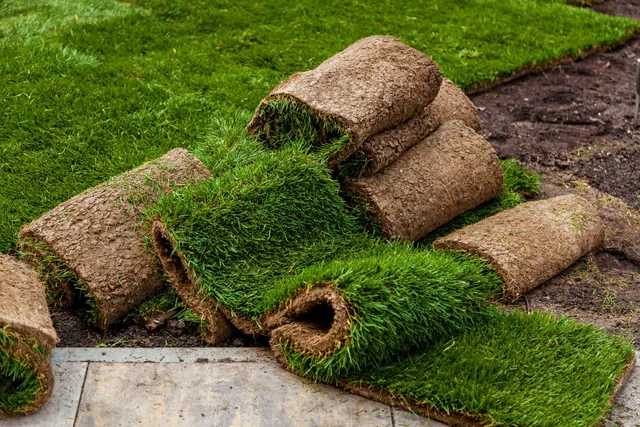
Laying new sod might seem like a simple weekend project—buy the rolls, unroll them on your lawn, water, and done. But if you've ever seen patchy, uneven, or dying sod after a DIY job, you know there's a lot more to it.
At Paradigm Landscapes, we’ve helped countless homeowners in Salt Lake City and West Jordan transform their yards with professional sod installation. Here's why going with the pros isn’t just easier—it’s smarter.
1. Soil Preparation is Key (and Often Overlooked)
Most DIY sod installations skip the most critical step: soil prep. Without proper grading, tilling, and adding nutrient-rich soil conditioners, your new sod will struggle to establish roots. Our team ensures your soil is leveled, fertile, and primed to support healthy growth before a single roll is laid.
2. Precision Installation Matters
From staggering seams correctly to avoiding air pockets and ensuring tight sod joins, a seamless install takes practice. Our crew lays sod quickly and precisely to prevent gaps, promote fast root bonding, and eliminate future issues like uneven growth or weed intrusion.
3. We Know the Right Grass for Your Yard
Not all sod is created equal. Sun, shade, soil type, foot traffic—all of these impact which sod variety will thrive. We help you choose the ideal type (like Kentucky Bluegrass or Fescue blends) for your environment, so your lawn lasts longer and looks better.
4. Watering & Maintenance Guidance
Overwatering or underwatering fresh sod is a common mistake. With our expert guidance, you’ll know exactly how often and how long to water for optimal root development. We also provide care tips to keep your lawn thriving during the critical first weeks.
5. Save Time and Stress
DIY sod installation is labor-intensive and easy to mess up. Save your weekends and avoid costly errors by letting us handle the heavy lifting—literally. You'll get professional results without breaking a sweat.
When Is the Best Time to Install Sod?
Spring and early fall are the sweet spots for sod installation in Utah, when temperatures are moderate and moisture levels are favorable. Planning ahead ensures you’ll enjoy a vibrant lawn by summer or prepare it for strong growth before winter.

If you’re dreaming of a lush, green yard without the DIY headaches, professional sod installation is the way to go. At Paradigm Landscapes, we bring experience, efficiency, and care to every project—leaving you with a lawn that’s built to last.
Let’s roll out your dream lawn—contact us today for a free sod estimate.
Your Questions, Answered:
Everything You Need to Know
.svg)

.svg)
